Delhi’s ‘No PUCC, No Fuel’ Rule Faces Enforcement Gaps Amid Technology Glitches
Posted: Tue Oct 06, 2026 5:17 pm
Delhi’s strict " no PUCC, no fuel " policy may be in place across petrol pumps, but technical problems and limited on-ground monitoring are raising concerns over how effectively the rule is being implemented nearly a week after its rollout, according to a report by The Times of India.
The Delhi government has made technology a key part of the enforcement drive, which covers around 500 petrol pumps across the capital. The system uses automatic number plate recognition (ANPR) cameras, scanners and public announcement systems to identify vehicles that do not have a valid Pollution Under Control Certificate (PUCC).
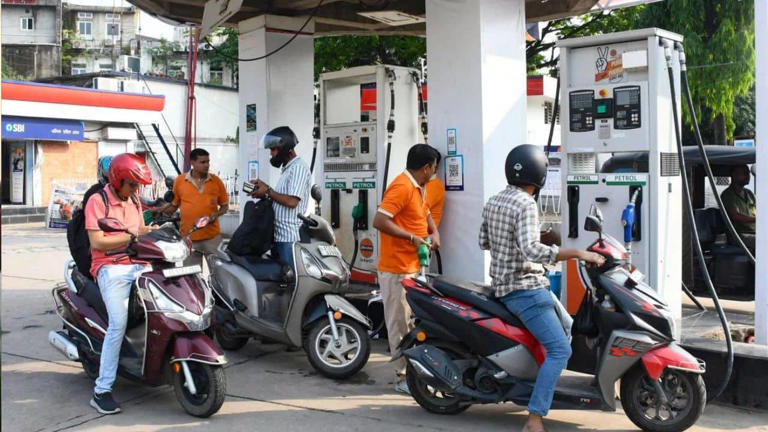
Under the system, a vehicle’s registration number is scanned when it enters a petrol pump. If the system detects that the vehicle does not have a valid PUCC, an alert is supposed to be generated. A public announcement is then made, informing petrol pump staff that fuel should not be dispensed to the vehicle.
However, visits to several petrol pumps have reportedly exposed gaps in this enforcement process. For the system to work properly, the ANPR camera must capture the number plate correctly, the scanner must identify the vehicle’s PUCC status, the announcement system must function and petrol pump employees must act on the alert.
At some locations, these steps were reportedly disrupted by technical issues.
For instance, a petrol pump near the Delhi Zoo was found to have a non-functional public announcement system. According to pump employees, the system had reportedly been out of service for more than two months after its speaker was damaged during the monsoon. Staff said the transport department’s centralised team was aware of the problem and repairs were awaited.
The situation was particularly notable because motorists were visiting the same outlet to renew their PUCCs, while the system intended to alert them about expired or missing certificates was reportedly unable to make announcements.
One motorist whose PUCC had expired around May said he had refuelled at the outlet several times but had never heard an announcement informing him that his vehicle lacked a valid certificate.
Similar operational difficulties were reported at another petrol pump near the CGO Complex. The ANPR camera there reportedly required vehicles to be positioned at a specific angle for their number plates to be captured correctly. The outlet also did not have a pollution testing centre, meaning motorists who were refused fuel because of an invalid PUCC could not immediately obtain a new certificate at the same location.
There also appeared to be some confusion among petrol pump employees regarding the exact enforcement procedure. One employee reportedly believed motorists would receive a warning or one opportunity before fuel was denied.
Another concern is the monitoring of ANPR camera feeds. Petrol pump employees are primarily engaged in dispensing fuel and other operational duties, making it difficult for them to continuously monitor CCTV or camera screens. At some outlets, staff said they depended largely on public announcements to know when a vehicle had been flagged by the system.
Employees at a petrol pump on Mathura Road also reportedly said that the announcement system frequently malfunctioned and was scheduled for inspection.
Despite these problems, the system was seen working at some locations. At a petrol pump on Sri Aurobindo Marg, a scooter was reportedly denied fuel after the system flagged it at around 2 pm for not having a valid PUCC.
For vehicle owners looking to check or obtain their pollution certificate, a useful resource is how to download PUCC certificate, which can guide motorists through the process of accessing their certificate online.
The Delhi government has instructed officials to implement the ‘no PUCC, no fuel’ initiative in mission mode as part of its broader, year-round efforts to reduce vehicular pollution in the capital.
However, the early implementation suggests that the effectiveness of the policy will depend not only on the rule itself but also on the reliability of the technology supporting it. Functional ANPR cameras, working announcement systems, proper monitoring and trained petrol pump staff will all be essential for ensuring consistent enforcement.
The Delhi transport department did not respond to TOI’s queries regarding the reported technical problems and enforcement gaps.
The Delhi government has made technology a key part of the enforcement drive, which covers around 500 petrol pumps across the capital. The system uses automatic number plate recognition (ANPR) cameras, scanners and public announcement systems to identify vehicles that do not have a valid Pollution Under Control Certificate (PUCC).
Under the system, a vehicle’s registration number is scanned when it enters a petrol pump. If the system detects that the vehicle does not have a valid PUCC, an alert is supposed to be generated. A public announcement is then made, informing petrol pump staff that fuel should not be dispensed to the vehicle.
However, visits to several petrol pumps have reportedly exposed gaps in this enforcement process. For the system to work properly, the ANPR camera must capture the number plate correctly, the scanner must identify the vehicle’s PUCC status, the announcement system must function and petrol pump employees must act on the alert.
At some locations, these steps were reportedly disrupted by technical issues.
For instance, a petrol pump near the Delhi Zoo was found to have a non-functional public announcement system. According to pump employees, the system had reportedly been out of service for more than two months after its speaker was damaged during the monsoon. Staff said the transport department’s centralised team was aware of the problem and repairs were awaited.
The situation was particularly notable because motorists were visiting the same outlet to renew their PUCCs, while the system intended to alert them about expired or missing certificates was reportedly unable to make announcements.
One motorist whose PUCC had expired around May said he had refuelled at the outlet several times but had never heard an announcement informing him that his vehicle lacked a valid certificate.
Similar operational difficulties were reported at another petrol pump near the CGO Complex. The ANPR camera there reportedly required vehicles to be positioned at a specific angle for their number plates to be captured correctly. The outlet also did not have a pollution testing centre, meaning motorists who were refused fuel because of an invalid PUCC could not immediately obtain a new certificate at the same location.
There also appeared to be some confusion among petrol pump employees regarding the exact enforcement procedure. One employee reportedly believed motorists would receive a warning or one opportunity before fuel was denied.
Another concern is the monitoring of ANPR camera feeds. Petrol pump employees are primarily engaged in dispensing fuel and other operational duties, making it difficult for them to continuously monitor CCTV or camera screens. At some outlets, staff said they depended largely on public announcements to know when a vehicle had been flagged by the system.
Employees at a petrol pump on Mathura Road also reportedly said that the announcement system frequently malfunctioned and was scheduled for inspection.
Despite these problems, the system was seen working at some locations. At a petrol pump on Sri Aurobindo Marg, a scooter was reportedly denied fuel after the system flagged it at around 2 pm for not having a valid PUCC.
For vehicle owners looking to check or obtain their pollution certificate, a useful resource is how to download PUCC certificate, which can guide motorists through the process of accessing their certificate online.
The Delhi government has instructed officials to implement the ‘no PUCC, no fuel’ initiative in mission mode as part of its broader, year-round efforts to reduce vehicular pollution in the capital.
However, the early implementation suggests that the effectiveness of the policy will depend not only on the rule itself but also on the reliability of the technology supporting it. Functional ANPR cameras, working announcement systems, proper monitoring and trained petrol pump staff will all be essential for ensuring consistent enforcement.
The Delhi transport department did not respond to TOI’s queries regarding the reported technical problems and enforcement gaps.